
Thyroid: Symptoms, Causes, Test, Normal Range, Diet & Treatment Explained
- Admin
- general
- 19 Jun, 2026
Thyroid problems are one of the most searched hormonal conditions today. Queries like “thyroid kya hai,” “thyroid symptoms,” “thyroid test,” “thyroid normal range,” and “thyroid diet” receive massive search volume every month.
If you are experiencing weight changes, fatigue, hair fall, or irregular periods, understanding your thyroid gland can help you take the right action early.
This guide explains everything in clear language.
What Is Thyroid? (Thyroid Meaning)
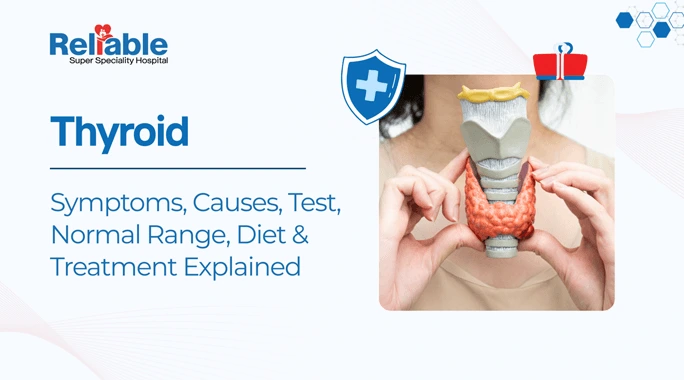
The thyroid is a small, butterfly-shaped gland located in the front of your neck. Despite its small size, it plays a powerful role in regulating your body’s metabolism.
When people search “what is thyroid” or “thyroid kya hota hai,” they are usually trying to understand why this gland affects so many body functions.
The thyroid produces hormones that control:
- How fast your body uses energy
- Your heart rate
- Body temperature
- Weight regulation
- Menstrual cycle
- Brain development and mood
If the thyroid produces too much or too little hormone, it can disturb the balance of your entire body.
Thyroid Gland Location & Function
The thyroid gland is located just below the Adam’s apple and wraps around the windpipe. It produces two major hormones: T3 (Triiodothyronine) and T4 (Thyroxine). These hormones are regulated by TSH (Thyroid Stimulating Hormone), which is released from the pituitary gland in the brain.
When this system works properly, your metabolism remains stable. When it becomes imbalanced, thyroid disease develops.
Types of Thyroid Problems
There are different types of thyroid disorders, and each affects the body differently.
1. Hypothyroidism (Low Thyroid)
This condition occurs when the thyroid gland does not produce enough hormones. It slows down body functions. Hypothyroidism is more common in women and can gradually worsen if untreated.
2. Hyperthyroidism (High Thyroid)
In this condition, the thyroid produces excess hormones. It speeds up metabolism and may cause anxiety, rapid heartbeat, and weight loss.
3. Thyroid Nodules
These are lumps that develop inside the thyroid gland. Most nodules are non-cancerous, but they require evaluation.
4. Hashimoto’s Thyroiditis
An autoimmune disorder in which the immune system attacks the thyroid gland, often leading to hypothyroidism.
5. Thyroid Cancer
Though less common, thyroid cancer can occur and is usually treatable if detected early.
Thyroid Symptoms
Thyroid symptoms vary depending on whether hormone levels are high or low. Many people search “thyroid symptoms in female,” “thyroid symptoms in male,” or “19 signs of thyroid problems.”
Let’s understand both types.
Symptoms of Hypothyroidism (Low Thyroid)
When thyroid hormone levels are low, body functions slow down. You may notice:
- Unexplained weight gain
- Persistent fatigue
- Hair thinning or hair fall
- Constipation
- Dry skin
- Depression
- Cold intolerance
- Puffy face
Symptoms of Thyroid in Female
Women often experience:
- Irregular or heavy periods
- Difficulty conceiving
- Increased weight gain
- Hair thinning
Thyroid Symptoms in Male
Men may experience:
- Low energy levels
- Reduced libido
- Mood changes
- Mild weight gain
Symptoms of Hyperthyroidism (High Thyroid)
When hormone levels are too high, metabolism speeds up. Common symptoms include:
- Unexplained weight loss
- Rapid heartbeat
- Anxiety and irritability
- Sweating
- Tremors
- Sleep disturbances
Thyroid Causes
Many people ask, “thyroid kyu hota hai?” or “thyroid kaise hota hai?”
Thyroid disorders can develop due to:
- Autoimmune diseases like Hashimoto’s
- Iodine deficiency
- Genetic predisposition
- Pregnancy-related hormonal changes
- Certain medications
- Inflammation of the thyroid (thyroiditis)
In many cases, a combination of genetic and environmental factors plays a role.
Thyroid Test & Thyroid Profile
If you have symptoms, your doctor may recommend a thyroid function test (TFT) or thyroid profile test.
These tests measure:
- TSH (Thyroid Stimulating Hormone)
- T3
- T4
- Thyroid antibodies (Anti-TPO)
Thyroid Normal Range
Normal values may slightly vary by lab, but typically:
- TSH normal range: 0.4 – 4.0 mIU/L
- T4 normal range: 5.0 – 12.0 mcg/dL
- T3 normal range: 80 – 200 ng/dL
If you are searching for “thyroid normal value,” “normal thyroid levels,” or “thyroid test normal range,” always interpret results with a doctor. Numbers alone do not confirm disease without symptoms.
Thyroid Diet: What to Eat and Avoid
Diet plays a supportive role in managing thyroid disorders, although it does not replace medication.
Thyroid Food to Eat
A balanced thyroid diet may include:
- Iodine-rich foods (in moderation)
- Eggs
- Fish
- Nuts
- Fresh vegetables
- Whole grains
Thyroid Foods to Avoid
Certain foods may worsen symptoms in some patients:
- Excess processed food
- High sugar intake
- Deep-fried food
- Excess soy products
If you search “thyroid diet chart” or “thyroid me kya khana chahiye,” remember that personalized advice is better than strict internet-based diet rules.
Thyroid Treatment
Treatment depends on the type of thyroid disorder.
Hypothyroidism Treatment
The standard treatment involves daily thyroid tablets such as levothyroxine. Regular thyroid test monitoring ensures the dose remains appropriate.
Hyperthyroidism Treatment
Treatment may include:
- Anti-thyroid medication
- Radioactive iodine therapy
- Thyroid operation (in severe cases)
Early diagnosis significantly improves outcomes.
Is Thyroid Curable?
Many people ask, “is thyroid curable?”
Most thyroid conditions are manageable rather than permanently curable. With proper medication, regular monitoring, and lifestyle adjustments, patients can live a completely normal life.
Thyroid in Pregnancy
Thyroid imbalance during pregnancy can affect both mother and baby. Screening is recommended in high-risk women. Proper thyroid hormone control ensures healthy fetal development.
When to See a Thyroid Specialist
You should consult a doctor if you notice:
- Persistent fatigue
- Sudden weight changes
- Hair loss
- Irregular menstrual cycles
- Neck swelling
- Rapid heartbeat
Early medical evaluation prevents long-term complications.
Thyroid Care and Diagnosis Support
Managing thyroid problems requires accurate diagnosis, proper interpretation of thyroid test reports, and long-term follow-up. At Reliable Superspeciality Hospital, patients receive comprehensive evaluation including thyroid function tests, hormone assessment, and personalized treatment planning. Whether it is hypothyroidism, hyperthyroidism, thyroid nodules, or pregnancy-related thyroid concerns, early medical guidance helps prevent complications and ensures better long-term health outcomes.
Frequently Asked Questions (FAQs)
1. What is thyroid disease?
Thyroid disease refers to disorders affecting the thyroid gland’s hormone production, leading to either excess or deficiency of thyroid hormones.
2. What is the normal thyroid range?
The normal TSH range is typically between 0.4 and 4.0 mIU/L, but slight variations may occur depending on the laboratory.
3. Can thyroid cause weight gain?
Yes. Hypothyroidism often leads to weight gain due to slowed metabolism.
4. What are early symptoms of thyroid?
Fatigue, hair fall, mood changes, and unexplained weight changes are common early signs.
5. Is thyroid dangerous?
Untreated thyroid disorders can lead to heart problems, infertility, and metabolic complications, but they are manageable with proper care.
6. Can thyroid be controlled naturally?
Lifestyle and diet support thyroid health, but medication is often necessary.
7. Is thyroid genetic?
Yes. A family history increases the risk of thyroid disorders.
Final Words
Thyroid disorders are common but manageable. Understanding thyroid symptoms, getting a timely thyroid test, and following the right treatment plan can prevent serious complications.
If you notice persistent symptoms, do not ignore them. Early diagnosis makes treatment easier and more effective.